
I'm absolutely standing behind this statement: You should watch more television.
Okay, well, I don't know how much you watch, but I'm here to tell you that if you want to be an excellent storyteller, a weaver of words, you can gain a lot from watching television.
Yes, OF COURSE, you need to read. You need to read in your genre, your genre-adjacent, your category, and whatever is selling like gangbusters. You need to read broadly and deeply and critically. None of that is new information, and I bet we could get into an internet-flame-war about how much reading one needs to do in order to be well-read (a topic for another time).
But television can also hone your storytelling and writing skills. Here's how:
1. It's fast. I can read critically and pick a book apart, examining it for structure and themes and arcs. If it's an adult epic fantasy (my poison of choice), it takes me usually around three weeks to finish. If it's a YA urban fantasy, it takes a day or two. I read Harry Potter and the Deathly Hallows in a little over fourteen hours, straight through. Guess how long it takes me to watch the movies? A little less than five hours.
With television series available on Netflix and other streaming options, I can watch ten episodes in a single afternoon (not that I've actually done that or anything...*cough, cough*).
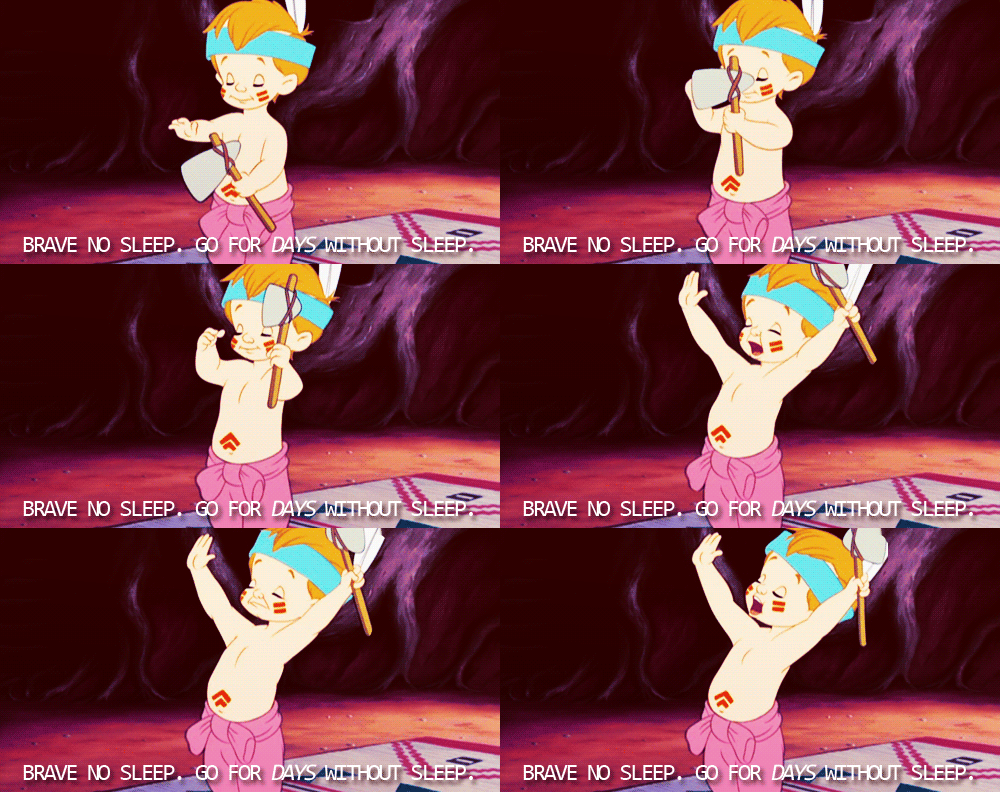
You see a story arc that would have been spread out over months condensed into one sitting. It's easier to catch themes and see character and story arcs when the story is so compressed.

BONUS: For those with ADD/ADHD or reading disabilities, watching television can help them learn the art of storytelling in a way that's more accessible.
2. It's appealing. Lots of people watch television. Not very many people are buying books (in comparison). You wanna know what's gonna sell? Take a look at what people are paying attention to. Now, obviously, you can't (and won't) write a tv-series-in-a-book, but you can be influenced by trends. Melanie Jacobson wrote an adorable romantic comedy inspired by The Bachelor (Second Chances, if you're interested) and Buffy kicked off an entire generation of girly-girls-juxtaposed-with-violent-themes.

By understanding what's popular, you can decide whether the manuscript you're working on is something that will sell at a traditional publishing house, through self-publishing, or if it needs to be trunked for a couple years.
3. It's hyperbolic. In order to convey characters in sometimes as little as two or three minutes, writers resort to extremes. In the opening scenes of the Gilmore Girls, we see Lane skanking to Rancid and discussing her religious mother and her Korean heritage. We see Lorelai make a joke about being *ahem* promiscuous, and we see Lorelai and Rory bond in a not-normal-mother-daughter way. The chances of that all happening on the same morning? Hmmmm. Slim. Very slim. But it carves out who these characters are right away.
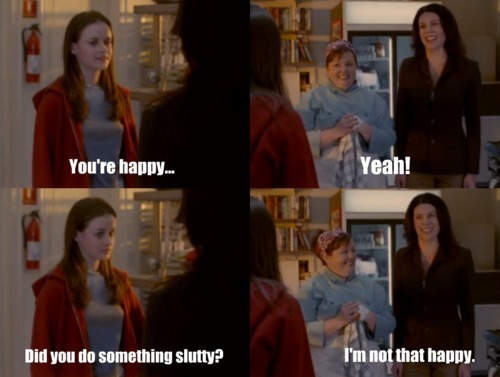
When writing, you can do this, too. This is the infamous show-don't-tell at work. Don't tell us Lane is being raised by strict Korean parents who disapprove of her rock star ambitions: Show her avoiding those parents and gravitating toward the rock n roll.
4. It's a veritable what-not-to-do. There's a lot of bad TV out there. A LOT. And by watching just some of it, and watching critically, you can see what not to do. You can find flimsy plots, poor character development, tropes, cliches, and just plain bad storytelling all over the place.
The trick is to identify why it's bad and then comb your own writing for those errors and eliminate them.
5. It's a more interesting version of school. True story: I know an author that needed to learn how societies fall and flourish for her fantasy world-building. She watched the Guns, Germs, and Steel documentary. It took her three hours. I read the book. It took me five weeks.
Another friend said she learned a lot of terminology from a crime show (she then researched that terminology to make sure she used it right, but she wouldn't have even known where to begin if not for CSI reruns).

Documentaries or shows dealing with real-life situations can help you get a feel for a subject you're unfamiliar with. Of course, you'll need to do more research if the show you're watching is dramatized, but television can give you a foundation and a passion for something you might otherwise not have known about.
6. It's full of real people talking. If you've ever had a beta reader or CP say your dialog sounds unrealistic (and based on my experiences as a CP and beta reader, I'm going to guess that 90% of you have), you need to watch more people talk. Television is really good for this.
It's even better than real people.
Yes. It is. And here's why: real people have to think about what they're saying as they say it (ideally, they think about what they're saying before they say it, but let's not get carried away). TV people have the perfect thing already ready. There are no verbal pauses, there are no words being used incorrectly. It's perfect dialog.
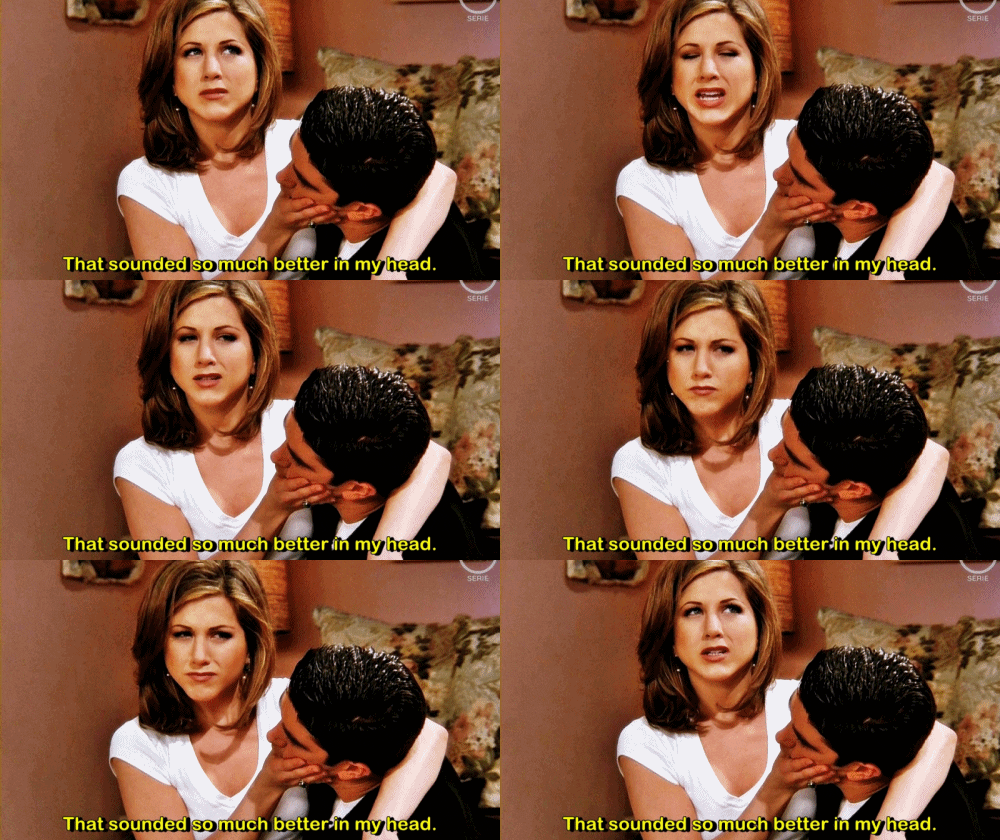
7. It's full of real people moving around and expressing themselves. You need help writing gestures people make while they talk? Or the way a fight moves around a room? Or how people's hands move on each others faces and bodies while they kiss?
TV will give you all of that. Pause. Rewind. Watch again. And again. (try getting the people at the mall to do that for you - it won't go well)
8. It's visual inspiration. As my good friend Suz said, "One zombie scene is worth thousands of words."
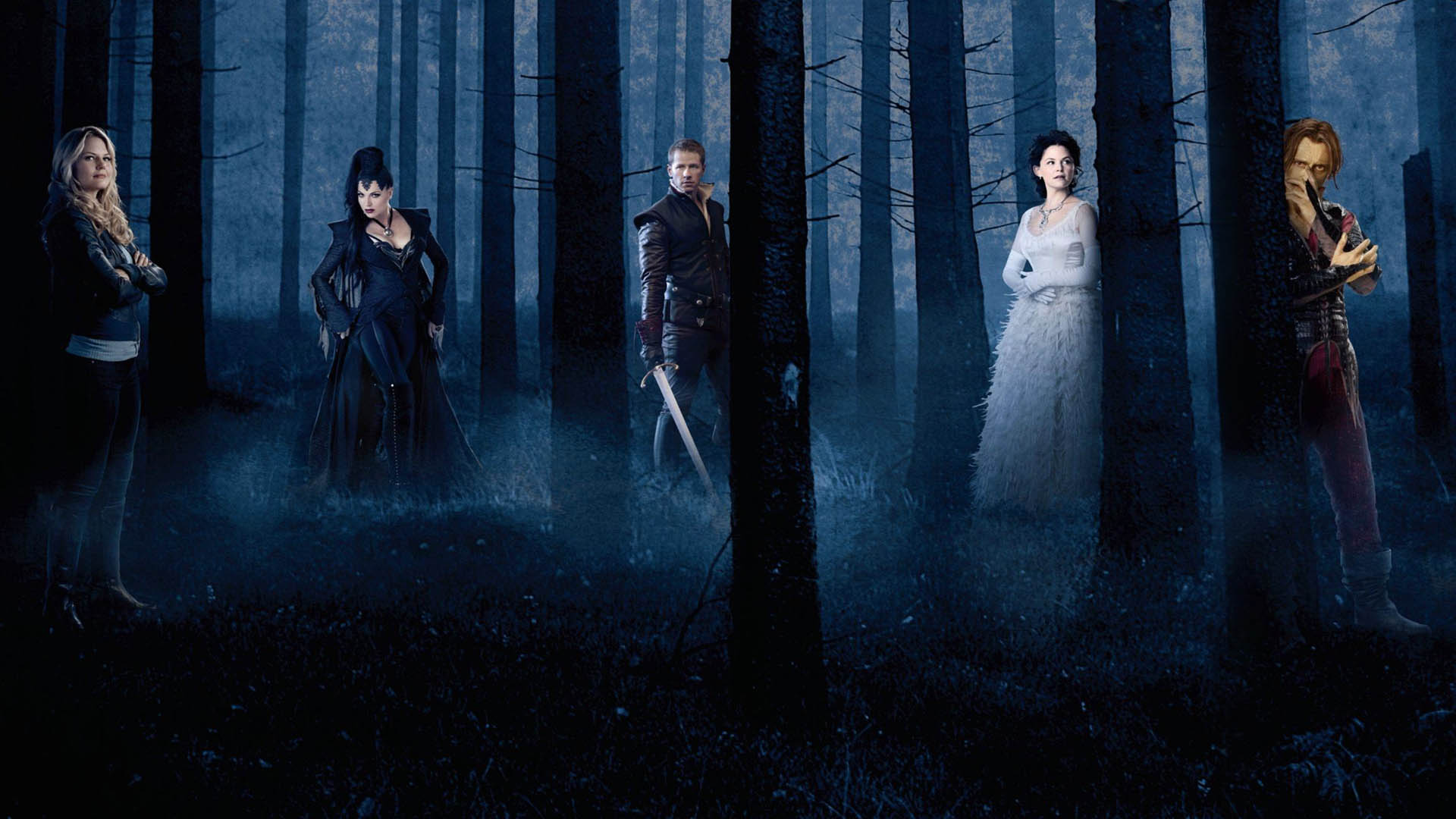
For those of you who pin visual pinspiration, or who scour modeling sites to find the right face to inspire your love interest or main character, try surfing the television. It's easier to get a feel for how these scenes and people can inspire you when you see them moving and living and being.
9. It's easier to see what's happening. Television shows can successfully juggle dozens of viewpoints and storylines without losing the viewer (hello, soap operas!). Books often struggle with this (with the exception of the ineffable George RR Martin, of course). Watching an ultra-complex storyline full of dozens of intricate players can help you weave a more complex tale yourself.
Even if operatic stories aren't your thing, seeing these complex stories woven together can help you understand literary devices like foreshadowing and red herrings and metaphors. Seeing them come to life is often easier than reading them.

True story: while watching Monsters University, my seven-year-old noticed a very poignant piece of symbolism regarding Mike Wazowski stepping across lines. That would not be possible in a book: But he now has a grasp on metaphors and symbolic gestures in a way he could not have done otherwise.
10. It's full of hooks and cliff-hangers (and curb-hangers). A television show has approximately four minutes to catch and hold your attention before the first commercial break. And then they have to lure you back after a two-and-a-half minute break. Considering most sitcoms are only twenty-one or twenty-two minutes of actual showtime, that's a big deal. You're gone for one-tenth of their storytelling time.
And yet they get you to come back.
How?
Curb-hangers. Smaller than cliff-hangers, but they leave a question in the back of your mind, something that makes you want to return to see how it is resolved. Then these same shows go away for a minimum of a week, but often as long as four or five months, expecting you to return.
How?
Cliff-hangers. Television has perfected the cliffhanger. Indeed it was a silent-film serial that gave us the term, and we see it used so often that people expect them. So much so that I've seen a non-cliffhanger-season finale and thought, "WHAT? That's IT? We don't get a big cliff-hanger???"

If you need help figuring out how to build to a climax and leave it unresolved, watch television. It will teach you.
11. It's a mental palette-cleanser. This might be the most important reason of all. Television tells a story in a very brief amount of time - usually a complete conflict and resolution in just over twenty minutes. Some picture books take longer to read than that. You can watch something quickly, or watch a lot of somethings in a row, and get a much-needed break from your writing.
My favorite shows to watch for storytelling elements are How I Met Your Mother, Gilmore Girls, and The Office. Others have recommended: LOST, Walking Dead, The Vampire Diaries, and Buffy.
What shows do you watch to learn about storytelling? What shows do you just like to watch? What storytelling tips and tricks have you gained from television?


